
Efflorescence is a white, powdery deposit or crust that can appear on the surface of various porous materials, including concrete, brick, stone, and tile grout. It occurs when soluble salts and minerals are carried to the surface of these materials by water. When the water evaporates, it leaves behind these salts, causing the characteristic white, chalky residue.
Key characteristics and points about efflorescence include:
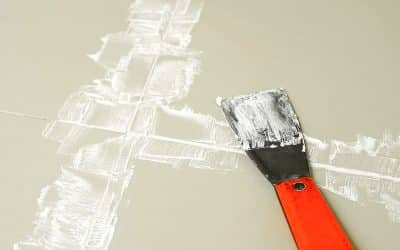
- Appearance: Efflorescence typically appears as white or light grey deposits on the surface of the affected material. It can sometimes take on a crusty or crystalline texture.
- Causes: Efflorescence occurs when water, carrying dissolved salts and minerals, migrates through the pores of a porous material. When the water reaches the surface and evaporates, it leaves behind the salts and minerals.
- Common Sources of Salts: The salts responsible for efflorescence are often naturally occurring in building materials or can come from external sources like groundwater, construction materials, or soil.
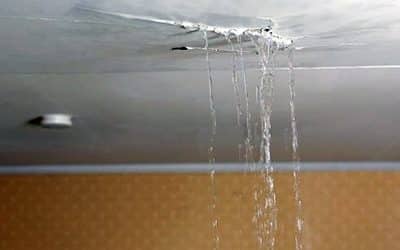
- Conditions for Formation: Efflorescence is more likely to occur in areas with high humidity or in materials exposed to moisture. It is a common issue in basements, on concrete driveways and sidewalks, and in buildings with water infiltration problems.
- Harmless but Unsightly: Efflorescence is generally not harmful to the structural integrity of the material it affects. However, it can be unsightly and detract from the appearance of surfaces.
- Temporary vs. Permanent: Efflorescence can be temporary if the source of moisture is addressed, and the salts are allowed to naturally weather away. However, it can also be a recurring problem if the source of moisture remains unresolved.
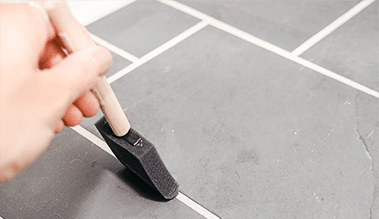
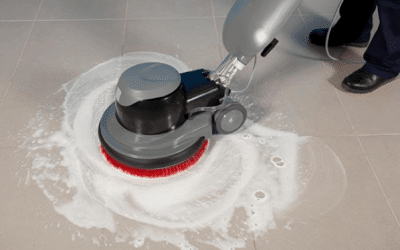
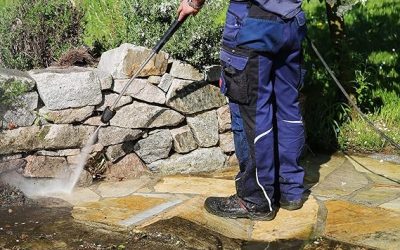
- Prevention and Removal: To prevent efflorescence, it’s important to control moisture ingress, use materials with low soluble salt content, and properly seal or waterproof surfaces. Light or new efflorescence can be removed using appropriate cleaning methods, such as brushing or washing with water and a mild acid solution (like vinegar) followed by rinsing. Larger quantities or older build ups can be easily and quickly dealt with by your local Tile Rescue expert.
Efflorescence is a common issue in construction and can appear on various surfaces. While it’s generally not a structural concern, it’s often a sign of water-related issues that should be addressed to prevent further problems. Proper construction practices, drainage systems, and sealants can help reduce the occurrence of efflorescence. Call your local Tile Rescue technician today for advice and a free quote.