
Tile ‘Crazing’, or ‘Crackle’ appears in the glazed surface of as a network of fine hairline cracks. The initial cracks are thicker and spiral upward. These are filled in horizontally with finer cracks. This is something that can happen naturally in glazed tiles, you can also buy tiles that are Crackled purposefully during the glazing process.
Crazing occurs when the glaze is under too much tension due to the differential contraction between the glaze and the tile body during cooling. Because the glaze is a thin coating, it can crack or “craze” under even slight tension, leading to the fine network of cracks observed on the tile surface. Properly matching the thermal expansion properties of the glaze and tile body during manufacturing is crucial to prevent crazing.
Types of Tiles Subject to Crazing
- Ceramic Tiles: Ceramic tiles with a glazed finish are commonly prone to crazing, especially if the glaze is not properly matched to the tile body in terms of thermal expansion.
- Porcelain Tiles: Although porcelain is denser and less porous than ceramic, glazed porcelain tiles can also experience crazing under certain conditions, particularly if the glaze is thin or if the tiles are subjected to thermal stress.
- Handmade or Artisanal Tiles: Tiles that are handmade or have unique, artisanal glazes are often more susceptible to crazing. The variability in production and firing processes can lead to mismatches between the glaze and tile body, making crazing more likely.
- Antique or Vintage Tiles: Older tiles, especially those that have been in place for many years, may develop crazing over time due to the natural aging process, environmental exposure, and wear.
- Decorative Wall Tiles: Glazed tiles used for decorative wall applications, particularly those with intricate designs or finishes, can be more vulnerable to crazing. These tiles are often thinner and may have more delicate glazes.
- Low-Fire Tiles: Tiles that are fired at lower temperatures tend to have softer bodies and more delicate glazes, making them more prone to crazing. Low-fire ceramics are often used for decorative purposes rather than heavy-duty applications.
Immediate vs. Delayed Crazing
This refers to the timing of when crazing occurs on glazed tiles after the manufacturing or installation process.
Immediate Crazing
- Definition: Immediate crazing occurs very soon after the tiles have been fired and cooled, often within hours to days.
- Causes: This type of crazing typically results from a significant mismatch between the thermal expansion properties of the glaze and the tile body. During the cooling process, the glaze contracts more than the tile body, creating tension that leads to immediate crazing.
- Detection: Immediate crazing is usually detected during the quality control phase at the manufacturing facility or soon after installation if the tiles have been improperly handled or installed in an environment with extreme temperature changes.
Delayed Crazing
- Definition: Delayed crazing appears after a longer period, potentially weeks, months, or even years after the tiles have been installed.
- Causes: Delayed crazing is often due to slower, cumulative stress factors, such as:
- Gradual moisture absorption by the tile body, leading to expansion.
- Long-term exposure to temperature fluctuations.
- Structural movement or settling in the substrate.
- The natural aging process of tiles, especially in older installations.
- Detection: Delayed crazing is typically noticed during routine cleaning or inspection. It can also be triggered by environmental changes, such as increased humidity or a significant shift in temperature.
Both immediate and delayed crazing are related to the stress between the glaze and tile body, but they differ in how quickly this stress manifests into visible cracks.
Maintenance
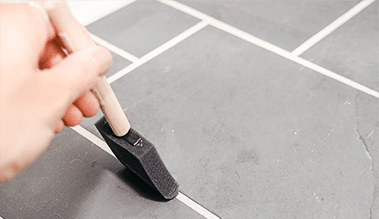
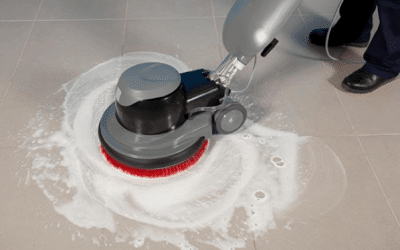
Crazing itself cannot be repaired since it’s a structural issue within the glaze of the tile. However, proper maintenance can help prevent moisture and grime from penetrating the cracks, which can protect the tile and maintain its appearance. This includes regular cleaning, sealing if necessary, and ensuring that the grout and tiles are kept in good condition to minimize further damage. Call your local Tile Rescue expert for a free inspection and quote.